
 US Dollars


Good-to-know| Why Your Foam Cannon Isn’t Producing Thick Foam (And How to Fix It)
If your foam cannon is not producing thick, clingy foam, the issue is usually not the equipment or the soap. The problem almost always comes down to how the soap is being diluted before and during use.
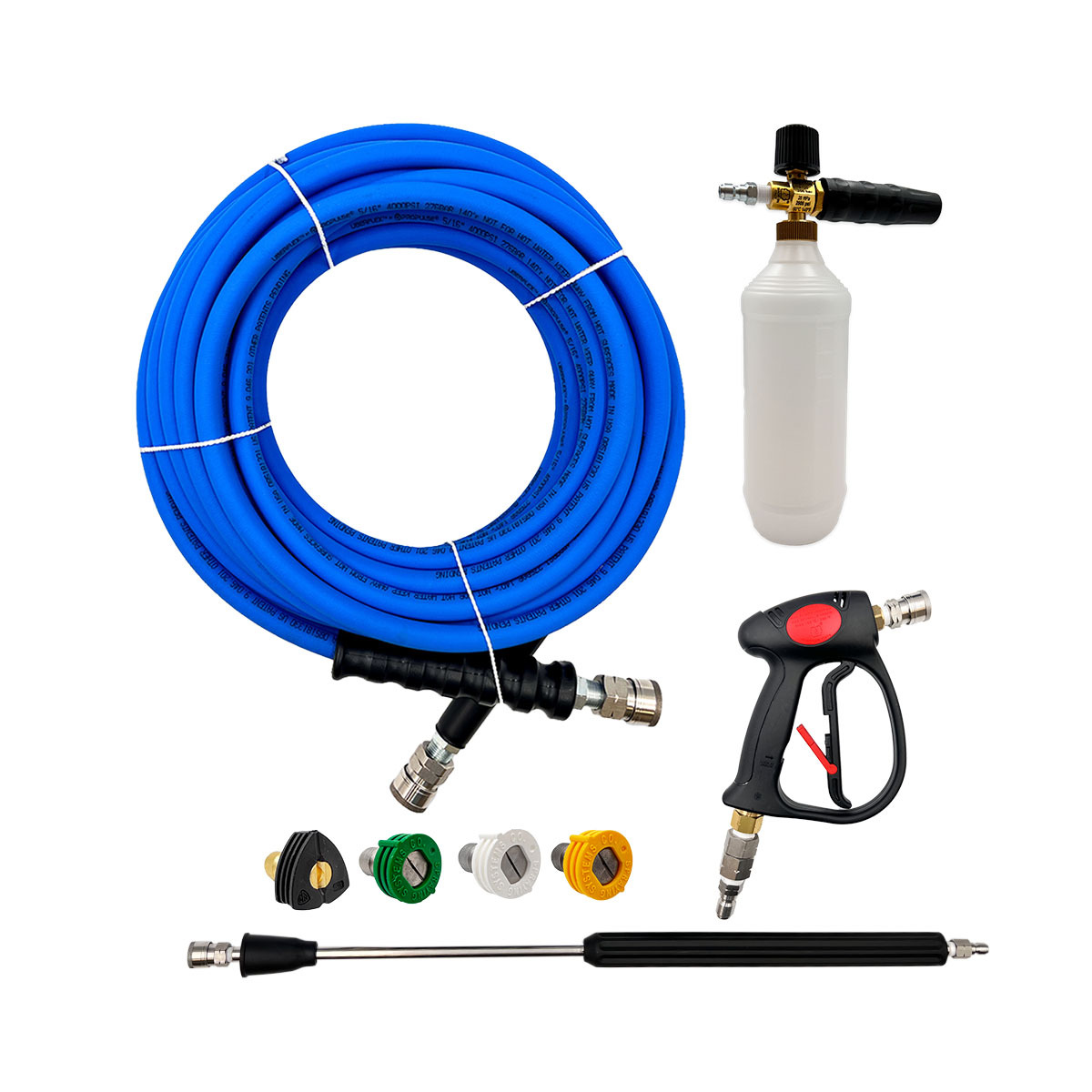
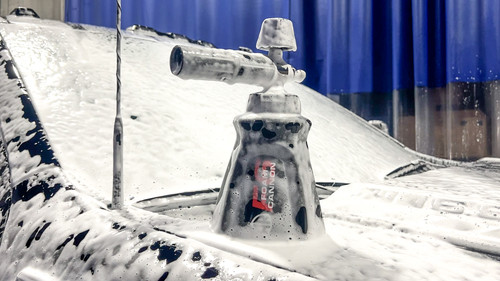
When using a foam cannon like the AR Blue Clean F6, soap is diluted twice. First, you mix soap and water inside the bottle. Second, the foam cannon pulls that mixture into the pressure washer stream and dilutes it again. This second dilution is the reason most users experience weak foam, even when following soap label directions exactly.
The key concept to understand is that the soap label is not wrong. The recommended 2% ratio is the intended working strength of the soap. However, that ratio assumes only one dilution step. A foam cannon adds a second dilution stage, which reduces the concentration before it reaches the surface.
The Simple Formula to Understand Foam
Final Working % = Bottle % ÷ Foam Cannon Dilution Ratio
Examples:
2% ÷ 18 = 0.11% (too weak)
25% ÷ 18 = 1.4% (effective foam range)
This is why foam often looks weak. The foam cannon reduces your mix before it reaches the surface.
Maintaining a 2% Working Solution in a Foam Cannon
| Step | Label Instruction | What Happens in a Foam Cannon | How to Maintain 2% |
|---|---|---|---|
| Target Mix | 2% (20 ml per 1L) | Intended working strength | This is still the goal |
| Bottle Mix (following label) | 20 ml / 1L = 2% | Diluted again (~14:1–18:1) | Final drops to ~0.1% |
| Result | Correct for bucket use | Too diluted for foam | Weak or no foam |
| Adjusted Bottle Mix | 200–300 ml / 1L (20–30%) | Diluted by foam cannon | Final returns to ~1–2% |
| Final Outcome | Appears stronger in bottle | Balanced after dilution | Produces proper foam |
What This Means
The 2% ratio listed on most soaps is correct, but only before a foam cannon is introduced. When used through a foam cannon, that same mixture becomes too diluted to foam effectively.
By increasing the soap concentration in the bottle, you are compensating for that second dilution. After the foam cannon mixes the solution, the final concentration returns to approximately 1–2%, which is the proper working range.
You are not overusing soap. You are restoring the intended working strength after dilution.
Real-World Example
20 ml soap / 1L = 2%
Foam cannon dilution ≈ 1:18
Final output ≈ 0.11%
Result: weak foam
Corrected:
250 ml soap / 1L = 25%
Foam cannon dilution ≈ 1:18
Final output ≈ 1.4%
Result: thick foam
Simple Foam Cannon Mixing Guide (F6)
| Soap in Bottle | Bottle % | Expected Result |
|---|---|---|
| 20 ml / 1L | 2% | Very weak foam |
| 100 ml / 1L | 10% | Light foam |
| 150 ml / 1L | 15% | Good foam |
| 200–250 ml / 1L | 20–25% | Thick foam |
| 250–350 ml / 1L | 25–35% | Very thick foam |
Equipment Matters: Flow Rate and Orifice Size
Foam performance is also affected by your pressure washer and foam cannon setup.
Flow Rate (GPM)
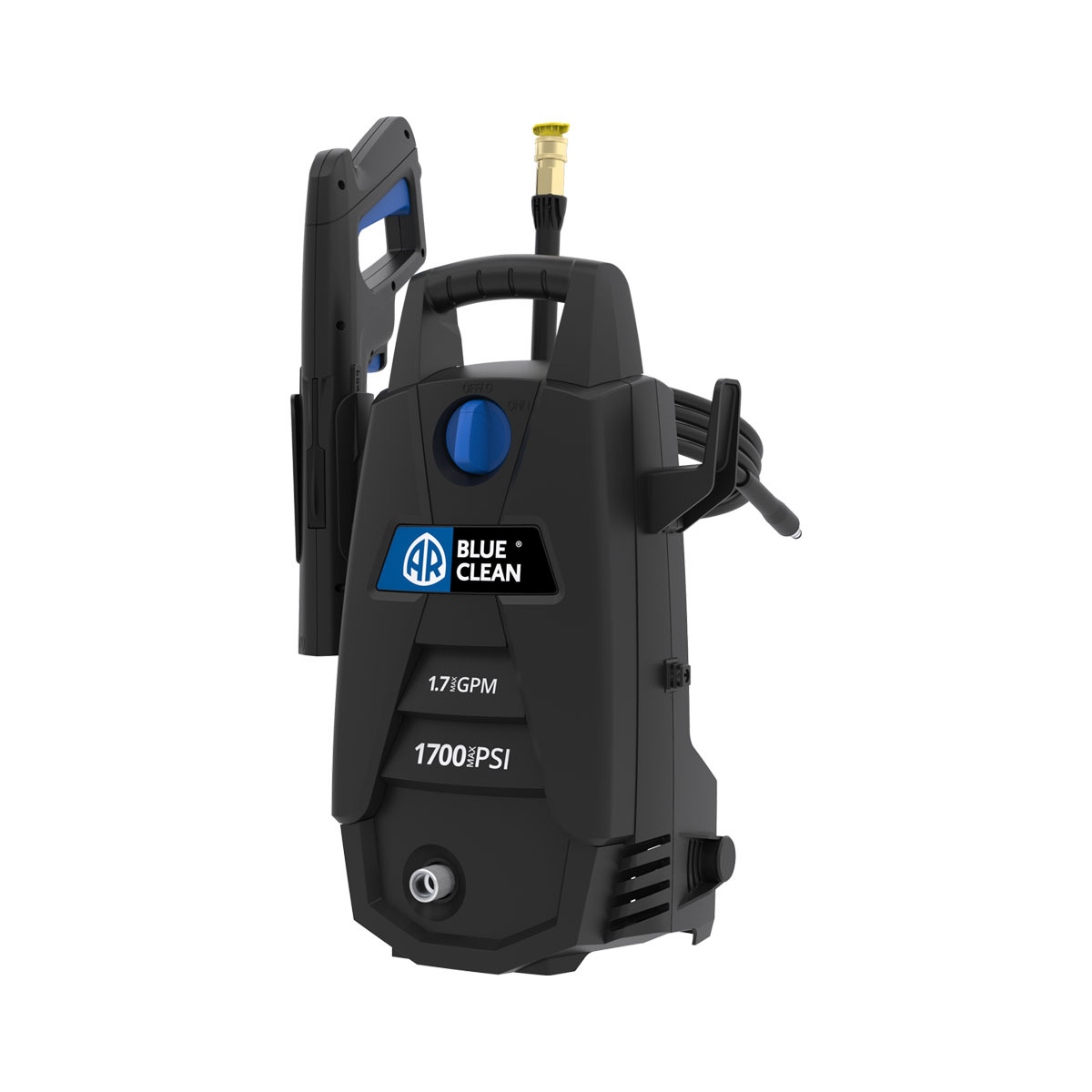
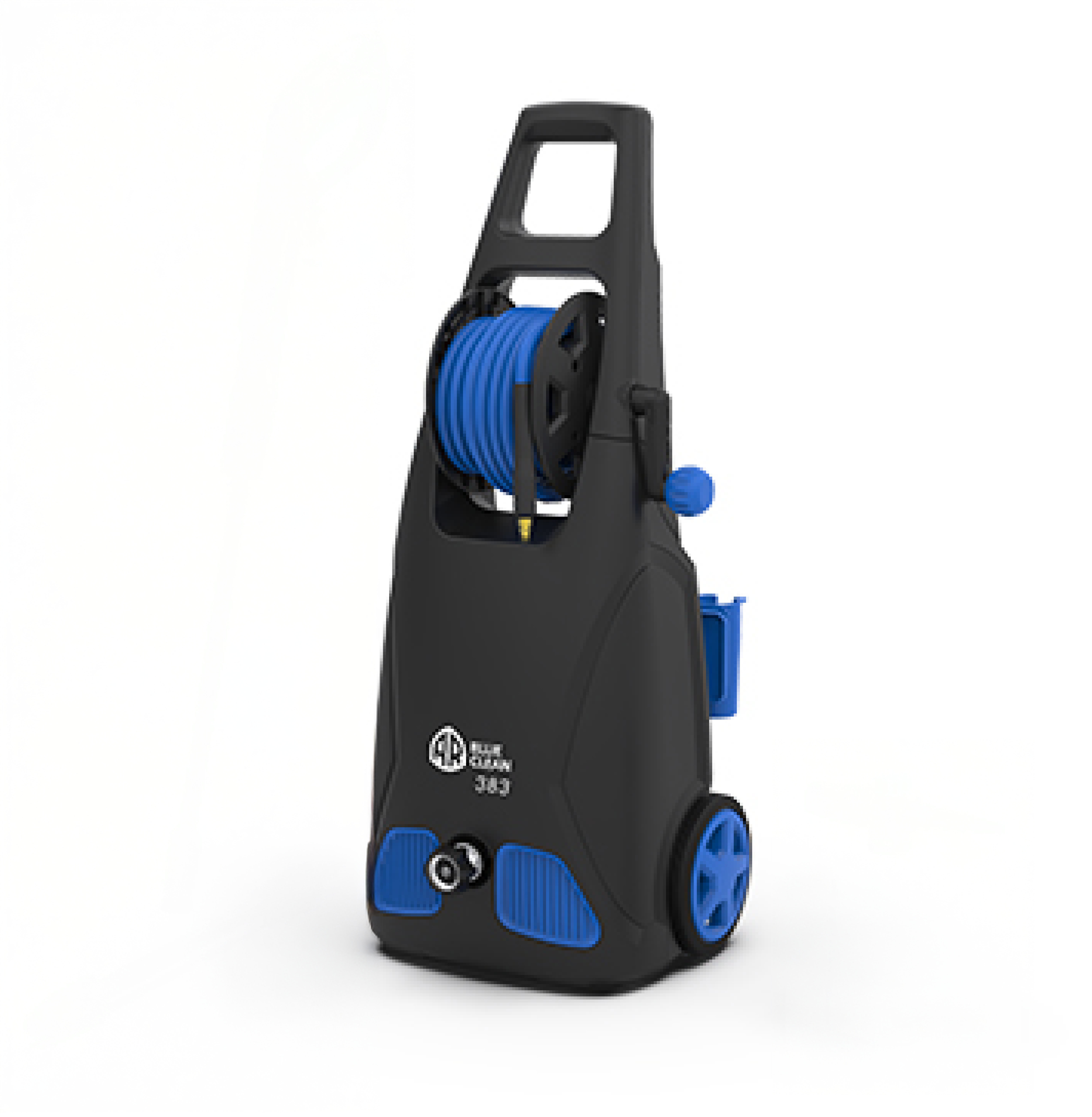
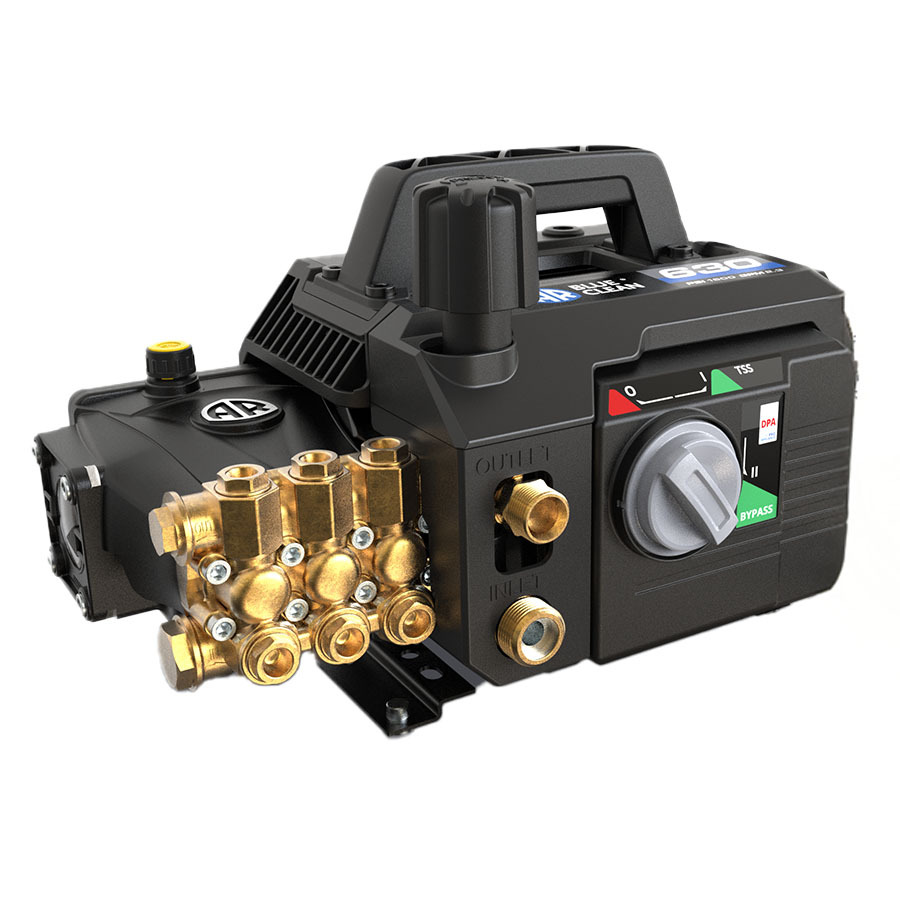
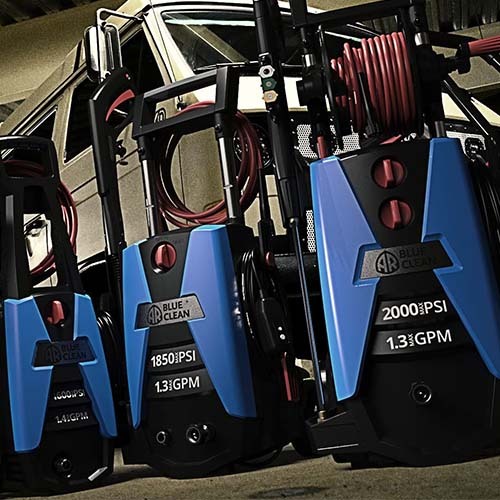
Higher flow rate machines push more water through the foam cannon, increasing dilution and reducing final concentration.
Orifice Size
The orifice controls how much water flows through the foam cannon.
| Orifice Size | Typical Use | Effect |
|---|---|---|
| 1.3 mm | 1.4–2.0 GPM | Less dilution, thicker foam |
| 1.5 mm | 2.0–2.6 GPM | Balanced performance |
| 1.8 mm | 2.6–3.5 GPM | More dilution, thinner foam |
Important: Using a smaller orifice to force thicker foam can restrict flow and cause the machine to stutter. Always match the orifice to your machine and adjust soap concentration instead.
Other Factors That Can Affect Foam
Water Quality
Hard water can reduce foam performance. Slightly increasing soap concentration can help offset this.
Soap Type
Some soaps prioritize cleaning over foam. Higher-foaming soaps will produce better visual results.
Surface Temperature
Hot surfaces can break down foam faster.
Equipment Condition
Clogged filters or inconsistent pressure can reduce foam quality.
These factors can influence results, but they do not override the core principle. Final concentration is the primary driver of foam.
Final Takeaway
Foam cannons do not change the recommended working strength of the soap. They add a second dilution stage that reduces it.
To compensate, increase the soap concentration in the bottle so that after dilution, the solution still lands around the intended 1–2% working range.
If your foam is weak, increase the amount of soap in the bottle. Once the final concentration is correct, foam performance will follow.